Breath is the first thing we do when we enter this world and the last thing we do before we leave it.
Yet, for many, breathing has become an unconscious act—a background rhythm we rarely notice. Ancient cultures understood the breath as far more than oxygen exchange. It was seen as life force, a direct connection between the body, the mind, and the spirit.
Today, modern science is rediscovering what sages and healers knew thousands of years ago: the way we breathe shapes our health, emotions, and even our thoughts. Conscious breathwork bridges the ancient and the modern, offering us a path to balance, healing, and transformation.
Across the globe, different traditions recognized the sacred power of the breath:
Pranayama (India): Ancient yogis developed structured breathing techniques to control prana, the vital energy of life.
Qi (China): Daoist masters taught that slow, deep breathing aligned the body’s energy with the rhythms of nature.
Breath of Spirit (Indigenous Traditions): Many indigenous cultures saw breath as sacred, connecting humans to the divine.
Greek Pneuma: In ancient Greece, breath was synonymous with soul and vitality.
Each culture understood that the breath was more than physical… it was a bridge to inner awareness and higher states of consciousness.
In today’s world, the wisdom of these ancient traditions is resurfacing in new forms. Breathwork has become a core practice in wellness centers, therapy rooms, and even corporate offices.
Some popular modern methods include:
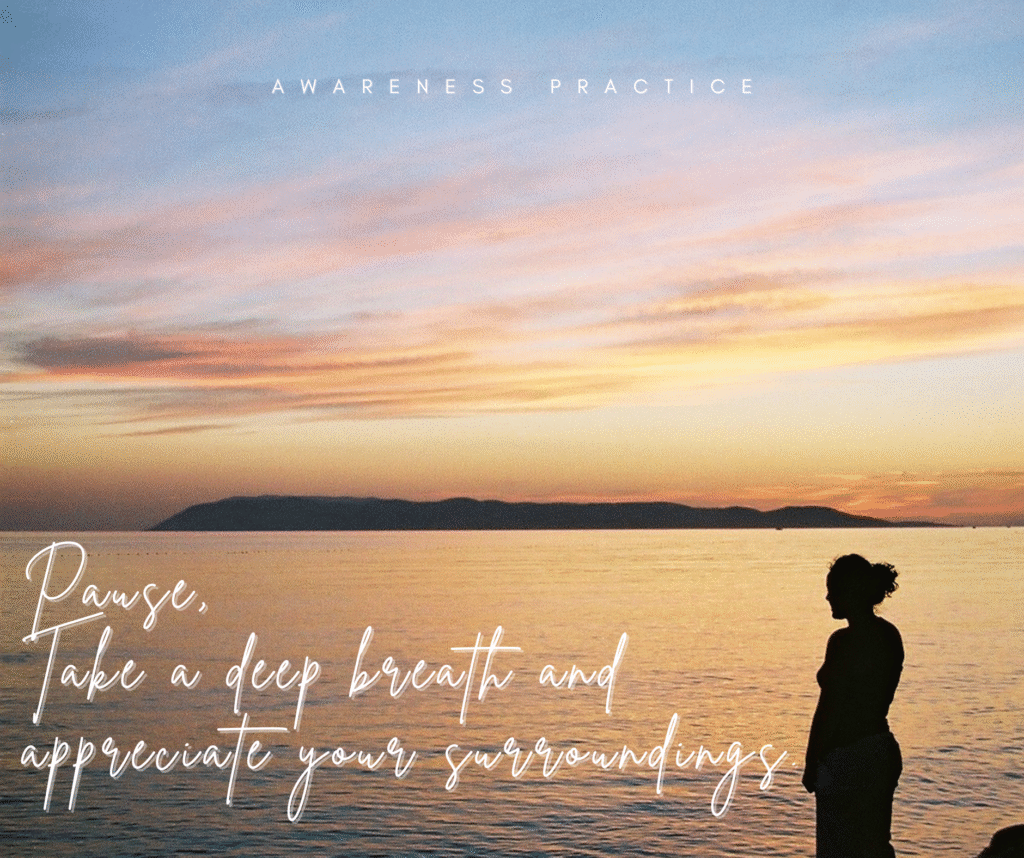
Box Breathing: A structured method used by athletes and even the military to calm the nervous system.
Wim Hof Method: A powerful practice combining breathing, cold exposure, and mindset training for resilience and energy.
Holotropic Breathwork: Developed by Dr. Stanislav Grof, this method uses deep, rapid breathing to unlock emotional release and self-discovery.
Coherent Breathing: A gentle, rhythmic approach that balances heart rate and reduces stress.
Science now confirms what ancient healers intuited: conscious breathing can lower blood pressure, reduce anxiety, improve sleep, and even boost immunity.
You don’t need a formal class to begin exploring breathwork. Start simple:
Mindful Breath Awareness – Sit comfortably, close your eyes, and notice your natural breath for five minutes.
Box Breathing (4-4-4-4 Method) – Inhale for four counts, hold for four, exhale for four, hold for four. Repeat for five minutes.
Extended Exhale for Calm – Inhale for a count of four, exhale for a count of six or eight to activate relaxation.
Morning Energizer – Take ten quick, sharp inhales through the nose, followed by a slow exhale. Repeat three times.
Consistency matters more than intensity. Even five minutes a day can create profound change over time.
To deepen your practice, consider adding supportive elements:
Essential Oils – Eucalyptus, peppermint, or lavender to enhance focus or relaxation.
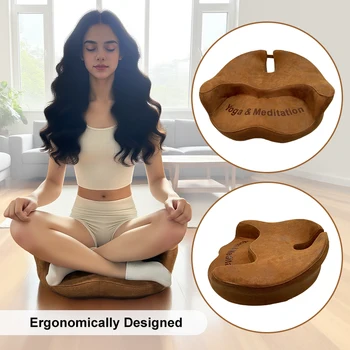
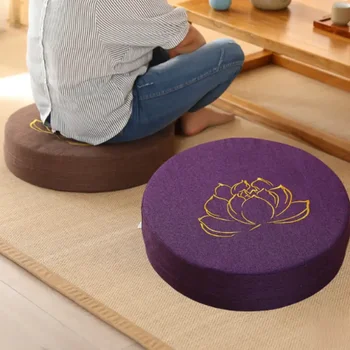
Meditation Cushions – For comfort during seated breathing sessions.
Sound Tools – Tibetan singing bowls or calming playlists to create a grounding environment.
Guided Breathwork Apps – Digital support to guide your sessions and track progress.
These tools aren’t required but can enrich the experience and make it easier to create a daily ritual.
When you breathe consciously, you’re not just calming yourself—you’re influencing everyone around you. Your presence becomes steadier, your words more mindful, your energy more balanced. In this way, a single mindful breath can ripple outward, fostering harmony in families, workplaces, and communities.

Showing all 9 resultsSorted by latest



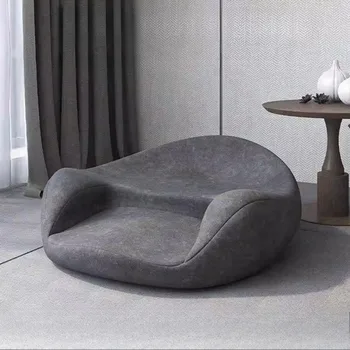


&url=https://thecompletebodymindspiritshop.com/product/portable-meditation-cushion-faeries-perch-of-quiet-memory-foam-ergonomic-design/&media=https://ae01.alicdn.com/kf/S0839fcdf4c904bada56cf65c069e8b81D/New-Memory-Foam-Meditation-Seat-Cushion-Yoga-Cushion-Portable-Floor-Cushion-Pad-Living-Room-Balcony-Indoor.jpg)


&url=https://thecompletebodymindspiritshop.com/product/ergonomic-meditation-cushion-throne-of-stillness-4-colors/&media=https://ae01.alicdn.com/kf/S4ad7a30b04c340b49946bce1ab7d71a1K/Meditation-Yoga-Sitting-Cushion-Ergonomics-Design-Memory-Foam-Cushions-Soft-and-Comfortable-Seat-Cushion-Home-Decoration.jpg)