Ancient cultures understood that sound wasn’t just heard with the ears—it was felt with the entire being. Today, modern science is finally catching up, revealing how sound frequencies can reduce stress, improve health, and create harmony in the mind and body.
Sound healing is the bridge between these worlds, connecting ancient wisdom with contemporary wellness.
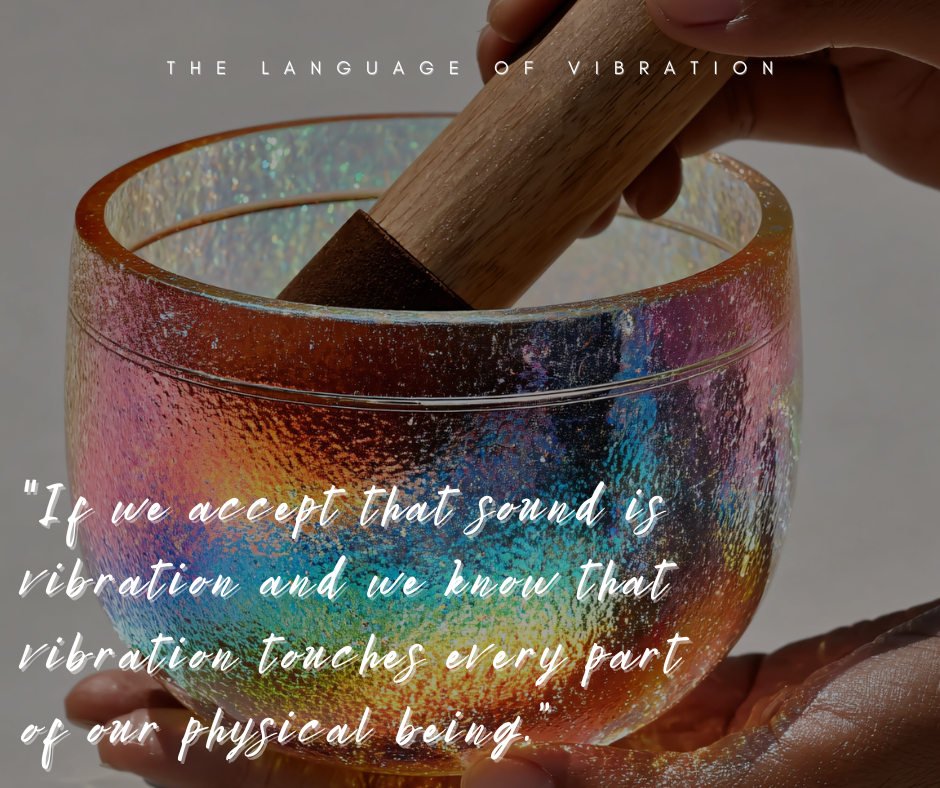
Across civilizations, sound played a central role in rituals, ceremonies, and healing practices:
Tibetan Singing Bowls (Himalayas): Used in meditation and spiritual ceremonies to align energy and promote balance.
Chanting & Mantras (India): Sacred sounds like “Om” were believed to resonate with universal consciousness.
Shamanic Drumming (Indigenous Traditions): Steady drumbeats guided journeys, healing, and connection with spirit realms.
Didgeridoo (Aboriginal Australia): Played to bring harmony to both individuals and communities through deep vibration.
Gregorian Chants (Europe): Monastic chants were used to evoke serenity and divine connection.
For these cultures, sound wasn’t entertainment—it was medicine, a way to restore harmony between the physical, emotional, and spiritual layers of life.
Today, these ancient practices are resurfacing in wellness centers, spas, yoga studios, and even hospitals. Scientific studies now confirm what ancient healers already knew: sound has a measurable impact on our bodies and minds.
Some popular modern practices include:
Sound Baths: Group sessions where participants are immersed in waves of sound from gongs, bowls, and chimes to induce deep relaxation.
Binaural Beats: Specific sound frequencies delivered through headphones to influence brainwave activity and promote calm or focus.
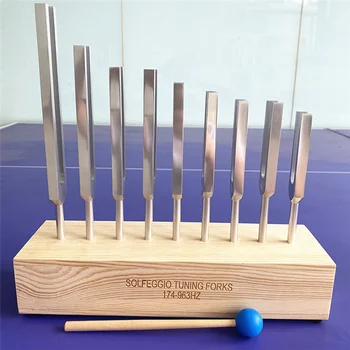
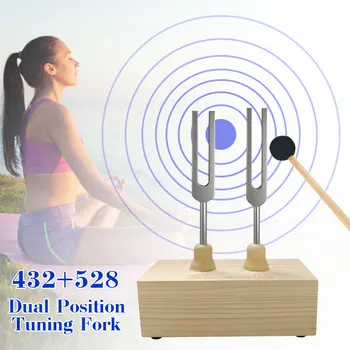
Vibrational Therapy: Tools like tuning forks or crystal bowls placed on or near the body to restore energetic balance.
Music Therapy: Used by therapists in hospitals and clinics to aid in recovery and reduce stress or pain.
From lowering cortisol levels to improving sleep, sound therapy is a powerful ally in modern holistic wellness.
Suggested Practices: Exploring Sound Healing at Home
You don’t need special equipment to start experiencing the benefits of sound. Begin with small, accessible practices:
Morning Toning – Sit comfortably and hum or chant a single note for a few minutes, feeling the vibration in your chest.
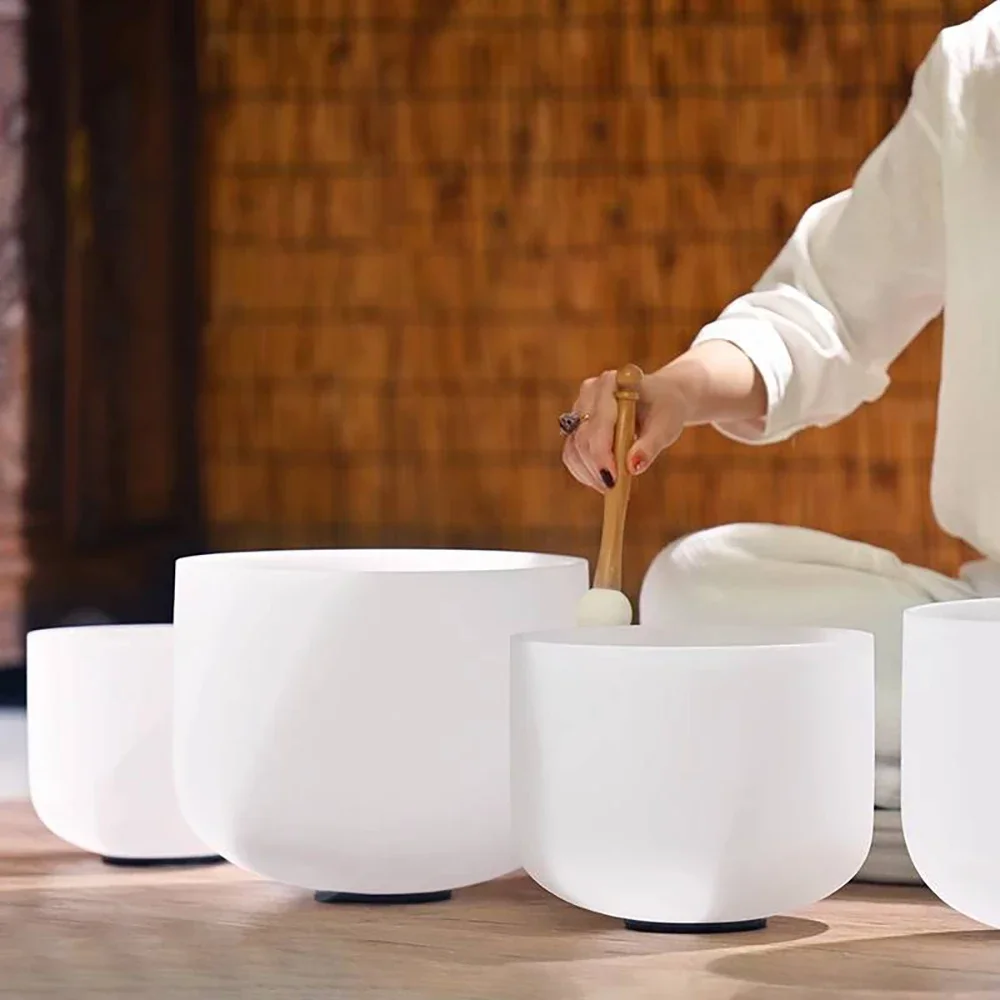
Singing Bowl Meditation – If you have a bowl, strike it gently and focus on the lingering sound as you breathe deeply.
Nature Sound Walk – Take a mindful walk outdoors, listening closely to birds, wind, and other natural sounds.
Healing Music Playlist – Create a playlist of calming tracks or binaural beats to listen to before bed.
Chanting a Mantra – Choose a simple phrase like “Om Shanti” and repeat it slowly to center your mind.
These simple practices can help you connect with the ancient power of sound and bring balance to your daily life
For those who wish to deepen their practice, consider incorporating these tools:
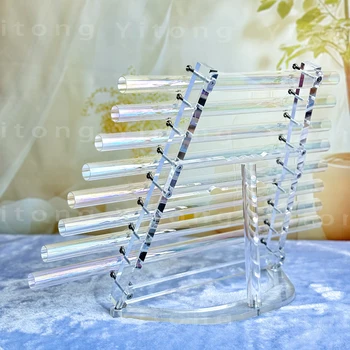
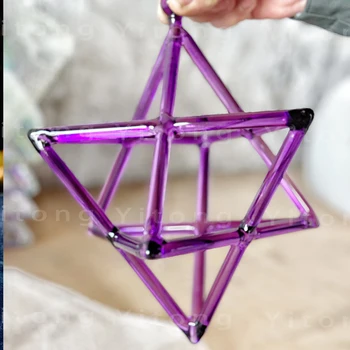
Tibetan Singing Bowls or Crystal Bowls – For meditation and vibrational alignment.
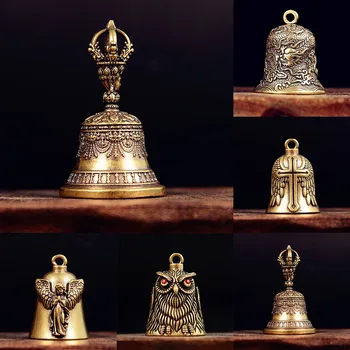
Chimes or Bells – To mark the beginning or end of a session.
Guided Sound Apps – Digital tools to access sound baths or binaural beats from home.
Comfortable Meditation Cushion – For proper posture during extended sessions.
Herbal Incense or Essential Oils – To create a calming, sacred atmosphere.
These supportive elements help create an environment where sound healing can thrive.
Every sound we create ripples outward, affecting those around us. A soothing word can calm tension, while harsh noise can create stress. When we intentionally engage with sound, we not only heal ourselves but also send harmony into our homes, workplaces, and communities.
By choosing what we listen to—and what we share—we become co-creators of a more balanced world.
Showing 1–8 of 10 resultsSorted by latest

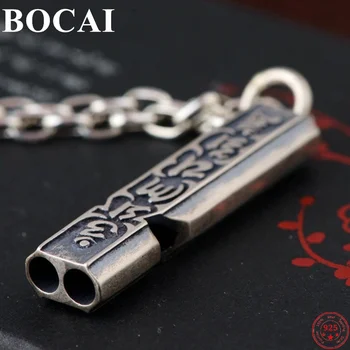
&url=https://thecompletebodymindspiritshop.com/product/the-song-of-alignment-solfeggio-tuning-fork-set-the-medicine-keepers-instrument-of-resonance/&media=https://ae01.alicdn.com/kf/Sa0e91bfd5e184d309da3fe509f148bfcV/AEF5-9PCS-Tuning-Fork-Set-Tuning-Forks-Chakra-For-Healing-Meditation-Yoga-Relaxation-Instrument-With-Wooden.jpg)

&url=https://thecompletebodymindspiritshop.com/product/crystal-harp-singing-radiance-in-7-notes-cdefgab/&media=https://ae01.alicdn.com/kf/Sb3731f14db584dab9a89064ae57b60e1b/Cosmic-radiance-crystal-harp-singing-with-beautiful-and-perfect-sound-CDEFGAB-note-with-free-aluminum-alloy.jpg)

&url=https://thecompletebodymindspiritshop.com/product/brass-spirit-bells-guardian-charms-curious-companions-10-styles/&media=https://ae01.alicdn.com/kf/Sdaf536fdaae740d8bd6cc62db7ddece2A/Brass-Handicraft-Die-casting-Drop-Bell-Key-Car-Button-Wind-Bell-Tibetan-Bronze-Bells-Creative-Gift.jpg)


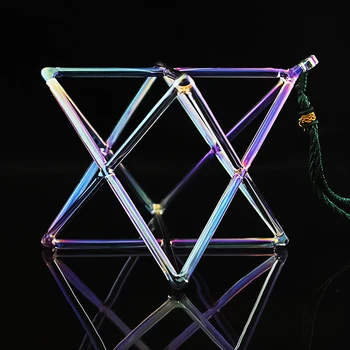
&url=https://thecompletebodymindspiritshop.com/product/%f0%9f%94%ba-merkabah-crystal-singing-pyramid-transparent-quartz-sound-healing-instrument-5-10-inch/&media=https://ae01.alicdn.com/kf/S625764a53b4e46ee8ca4b014f080c8dfd/Mountain-Rain-5-10inch-Transparent-Colorful-Merkaba-Crystal-Singing-Pyramid-for-Healing-Energy-with-String-and.jpg)